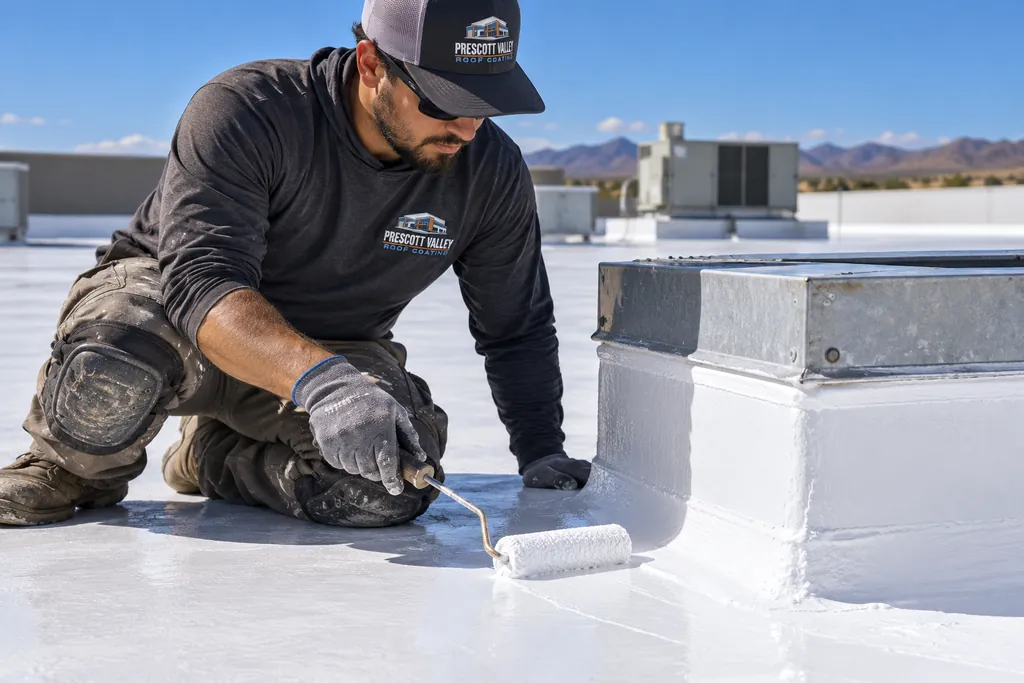
Acrylic Roof Coating
Low-odor, water-based coating for well-drained roofs over classrooms, offices, and sanctuaries.
How acrylic roof coating works
We coat church, school, and small commercial roofs in Mayer along SR 69. Work is scheduled around weekly services and the school calendar, so the buildings stay usable.
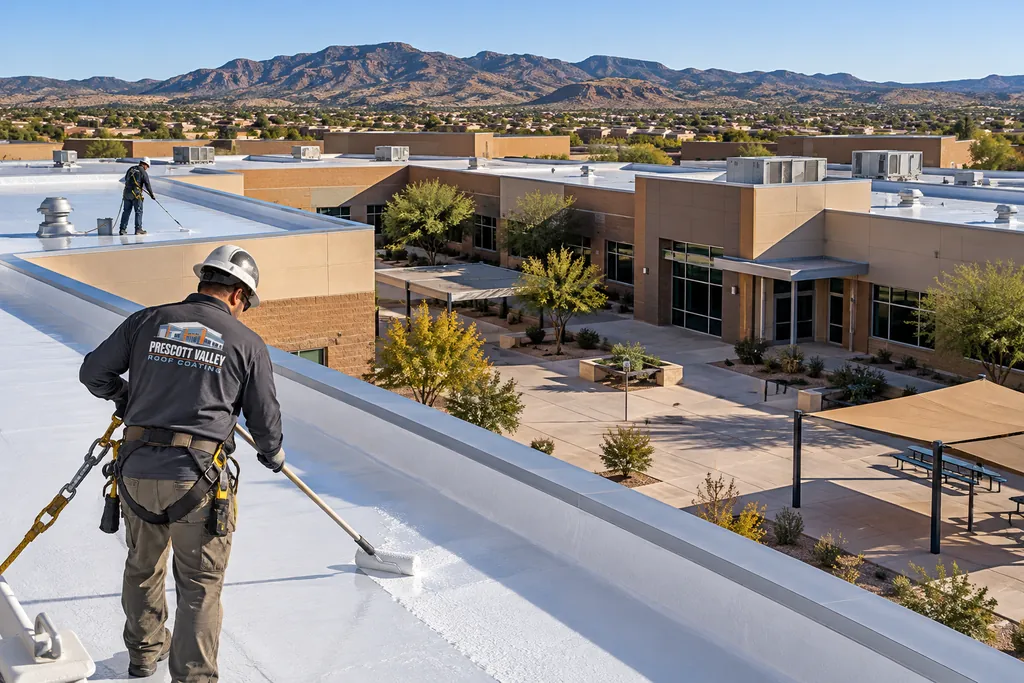
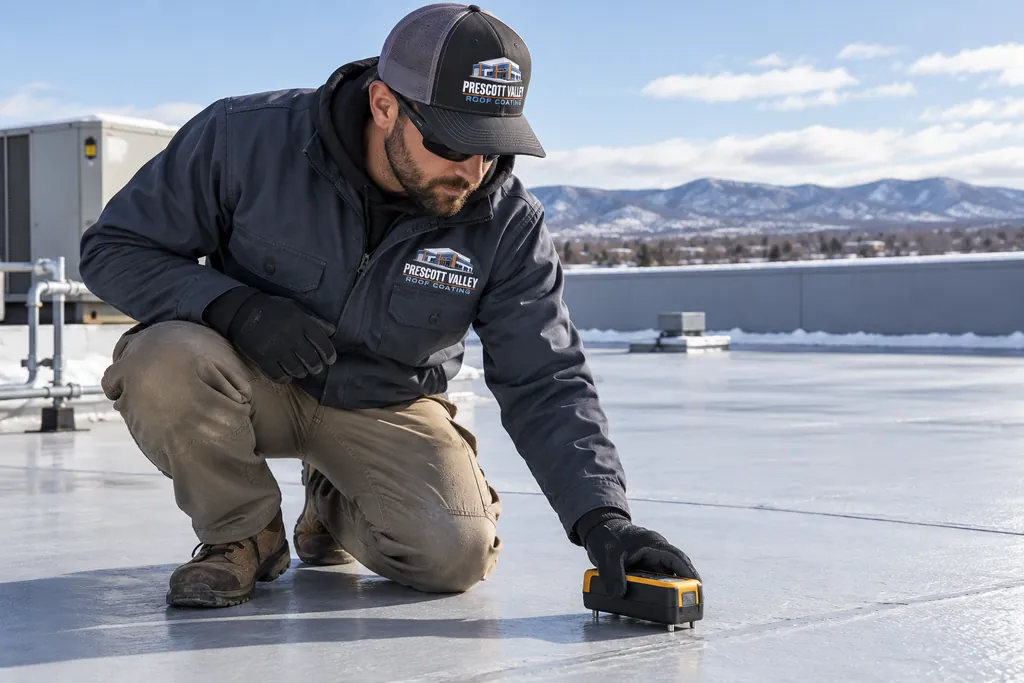
Church and school buildings in Mayer run on firm calendars. A school roof is best done while classes are out, and a church roof is planned so weekend services, weddings, and funerals go on without noise overhead.
School breaks and good coating weather line up only part of the time. Early summer works well before the monsoon builds, and weekday work at a church can continue while the building sits empty.
Larger institutional roofs have more additions, more equipment, and more history than a typical shop. These are the usual trouble spots.
Schools and churches grow in stages, and each addition meets the old roof at a joint that moves. Those joints get cleaned, sealed, and covered with reinforced coating.
Gyms, halls, and classrooms carry big HVAC units on wide curbs. Water dams behind them, so curb flashing and any crickets are checked closely before coating.
Older halls and classrooms often have skylights with aging curbs and sealant. Each one is resealed or repaired, and the coating wraps the curb.
Wide institutional roofs drain to a few interior drains, and one clog backs up water across a big area. Every drain is cleared and its flashing checked.
Custodians and HVAC techs walk the same paths to equipment, wearing the roof surface down. Walk pads along those routes protect the new coating.
Coating suits buildings that need to stay in use. These are the benefits boards and facility staff weigh.
Coating skips the tear-off, so a typical institutional roof can be repaired and coated within a few weeks of good weather. That fits more jobs inside a summer break than a full replacement would.
A coating usually costs less than replacement and can be phased by wing or building. Boards can plan the roof work across budget years.
Skipping roof tear-off removes the debris chutes and heavy demolition overhead. The loudest steps are washing and spraying, which can be timed for empty hours.
When the coating wears thin, the roof is cleaned and recoated. That makes roof upkeep a planned budget line instead of a surprise.
Institutional and small commercial roofs here usually take one of these.
Low-odor, water-based coating for well-drained roofs over classrooms, offices, and sanctuaries.
How acrylic roof coating works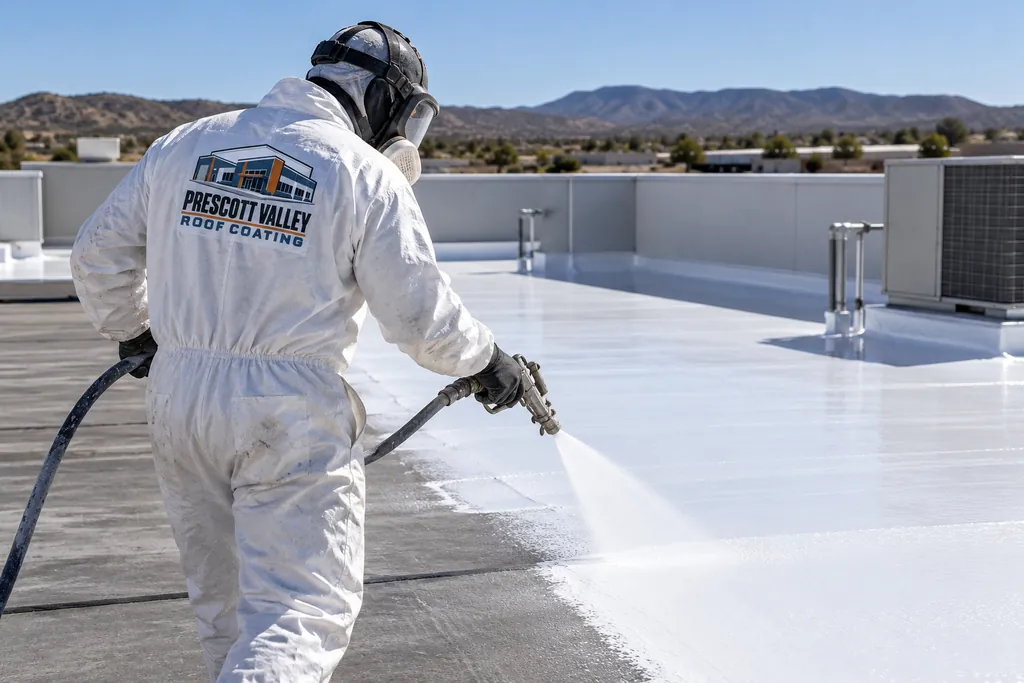
Wide flat roofs with slow interior drains, where water lingers after storms.
How silicone roof coating works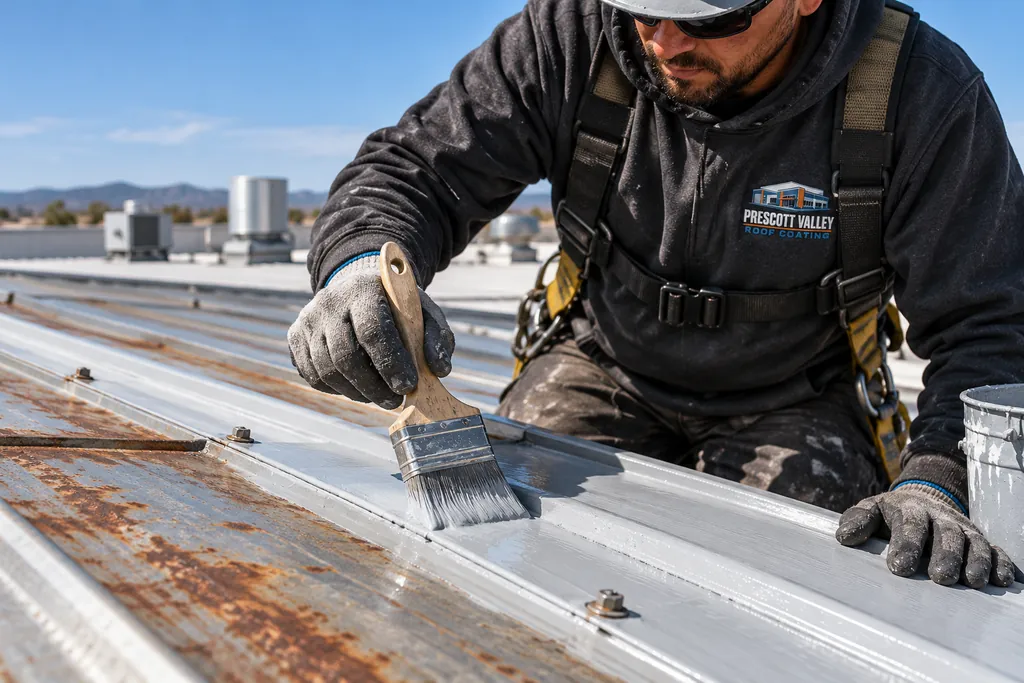
Metal outbuildings, covered walkways, and storage sheds on the same campus.
How metal roof coating worksCall and tell us which room and whether it leaks only in heavy storms. Room-by-room details help us find the drain or joint above it.
(928) 436-4811The calendar gets set first, and the roof work fits inside it.
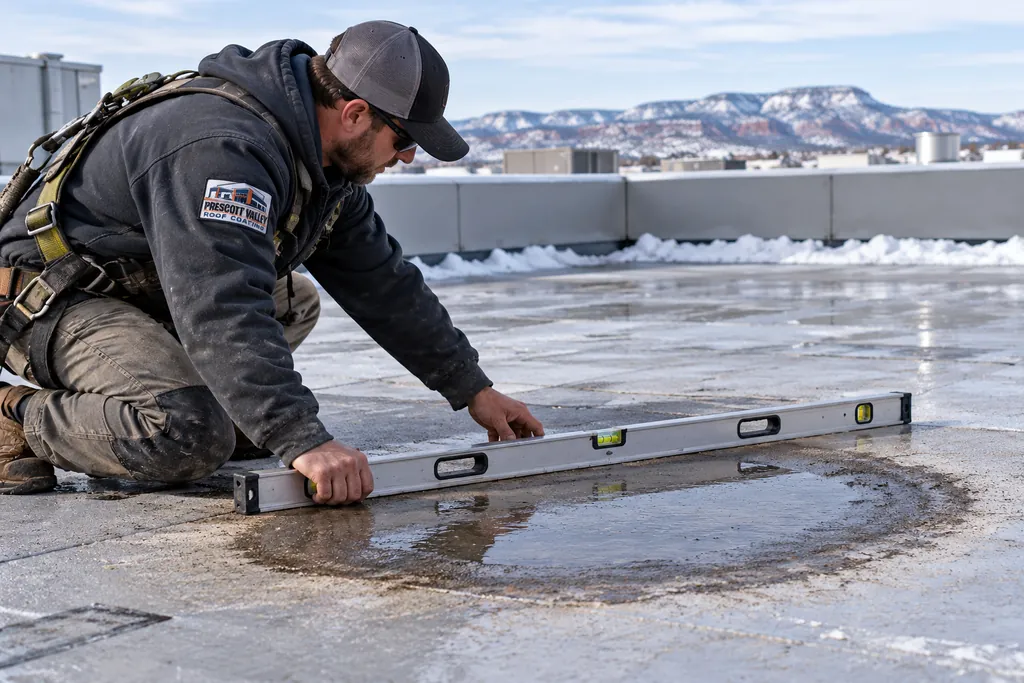
We inspect the whole roof, measure low spots, and map additions, units, and drains. The visit also notes school breaks, service times, and events coming up.
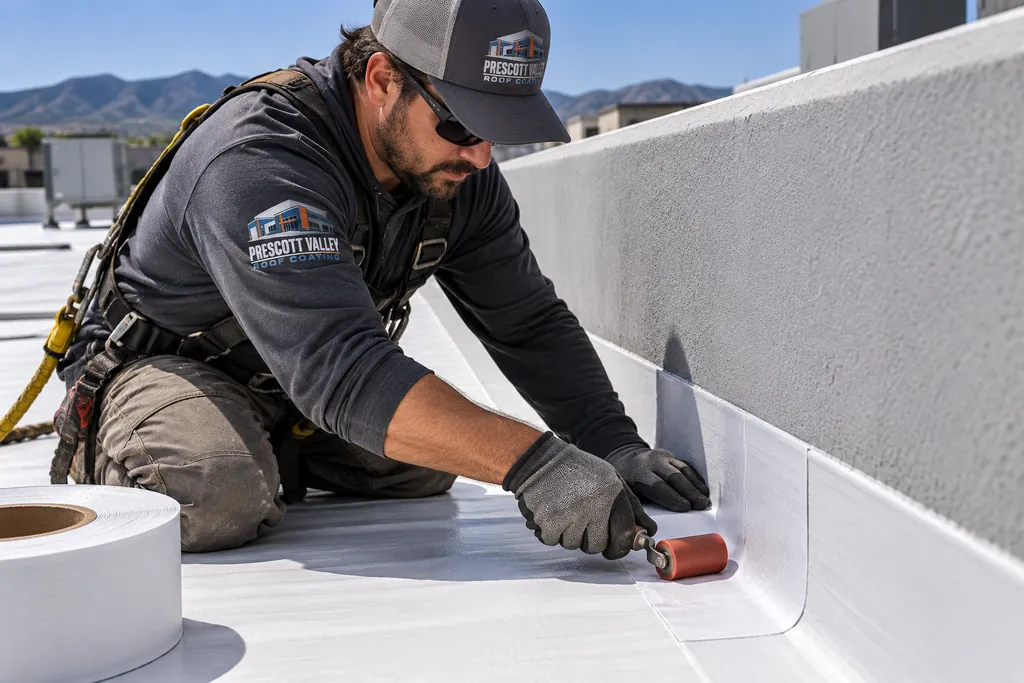
The work window gets agreed with your facility staff. Repairs to joints, curbs, skylights, and drains start first, often in the weeks before the break.
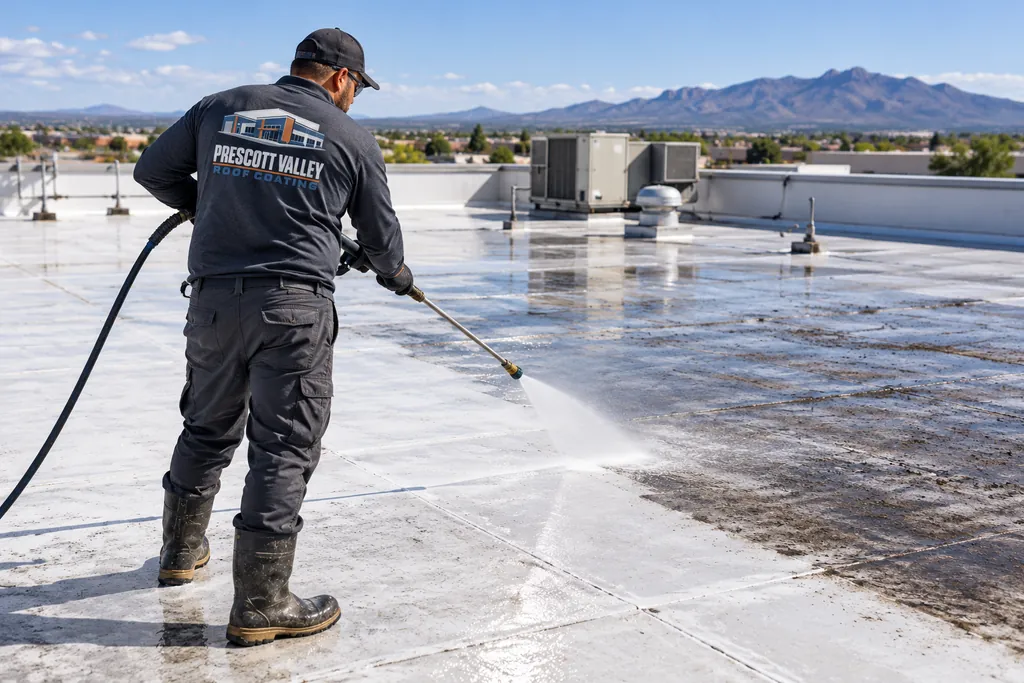
Washing happens when the building is empty or quiet, and water is kept away from intakes and entrances. The roof dries before any coating goes on.
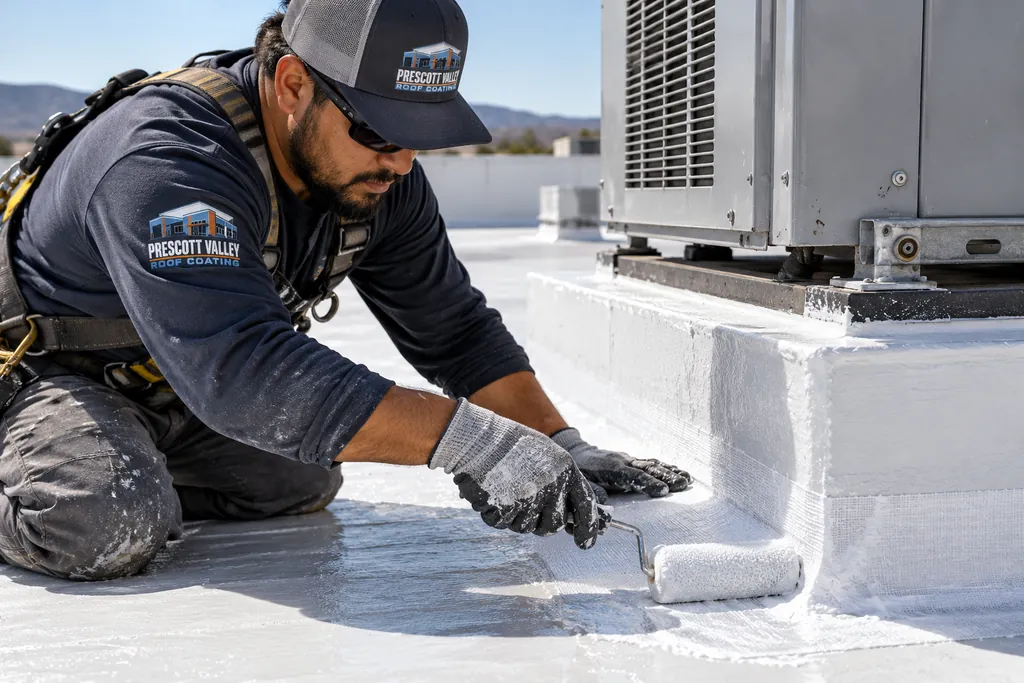
Coating moves across the roof one wing or addition at a time. Areas over rooms in use get done during closed hours whenever the weather allows.
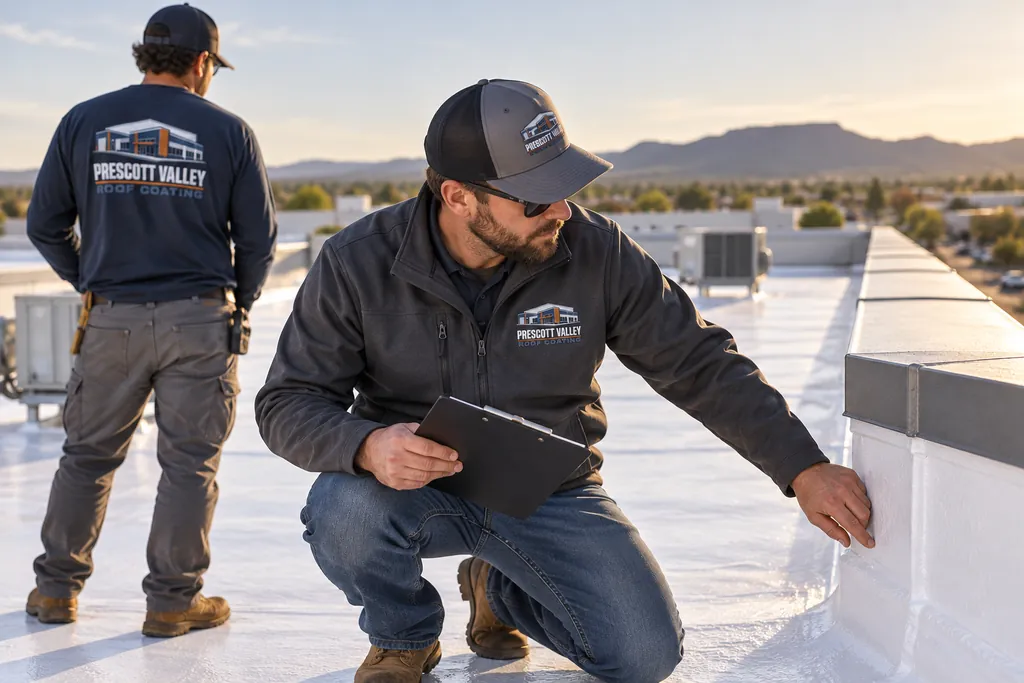
A final walk with your facility staff covers every detail. You get photos, a recoat timeline, and a list of yearly checks for the maintenance plan.
Mayer sits on SR 69 between Dewey-Humboldt and Cordes Lakes.
Most asked
The National Weather Service sets Arizona's monsoon season from June 15 through September 30, and the region often sees afternoon thunderstorms, heavy rain, gusty winds, and hail then. Downpours test drains and scuppers on wide institutional roofs, and wind-driven rain finds weak seams. Forecasts and storm warnings come from the NWS office in Flagstaff.
Parts of it, on weekends and after hours. Most schools prefer summer break, and early summer has good coating weather before the monsoon builds. Inspections and repairs can happen during the school year to shorten the summer work.
Only for some steps. Washing, spraying, and work near air intakes are best done with the rooms below unoccupied. Inspections, repairs, and brush or roller work can happen with the building in use.
The work zone stays on the roof and in a fenced or coned staging area away from entrances. Lifts and materials are set away from walking routes, and intakes are covered during coating.
Yes. Large campuses and churches with additions are often coated one wing at a time. Each wing is a complete job, which lets a board spread the cost across budget years.
Mayer is unincorporated, so permits for the area go through Yavapai County. We confirm with the county whether the coating scope needs one and build any required inspection into the calendar.
It reflects part of the summer sun, which helps large rooms whose rooftop units run hard in July. Summers here are milder than in Phoenix, so treat cooling as a side benefit to the waterproofing.
Each spring and fall, and after any hailstorm. A quick look at drains, curbs, and joints after the monsoon season catches small problems before winter freezes them open.
Tell us the building, its school or service schedule, and any leaks. We fit the inspection and the coating window to it.
Leave a name and number and a roofing contact will call you back.
Or call now: (928) 436-4811